Wednesday, 2 December 2015

Representations of Military Spending

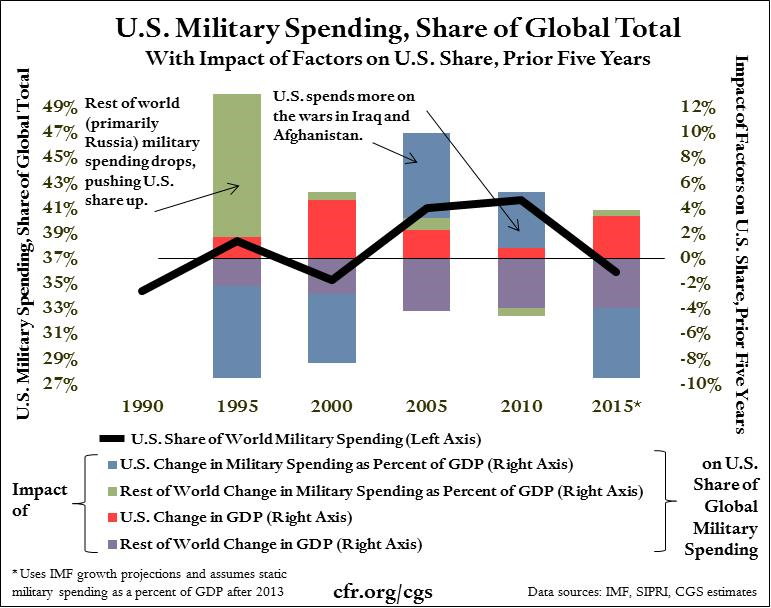
With the UK poised to bomb yet another country on spurious imperialist grounds, I thought I would include some graphics to shown how much the world wastes on militarism. If the same resources were applied to health, education, energy and the environmental issues we all face, the problems of humanity would be solved overnight.


 North Utsire

Charlie Hebdo Cartoons

Following on from last months Paris attacks, I saw a good article on boredpanda called The Pen Is Mightier Than The Sword, and thought I'd take the best of the cartoons there & put them on here. If you're looking for cartoonists credits, you can get them there no problem. Not all of the cartoons in the wake of the Charlie Hebdo attacks were particularly clever, or artful, or satirical, but in the typical French folk- protest style, genuine and somewhat earthy. This reminded me of the May '68 artwork and my May 2014 blog. 


North Utsire

Chappli Kebabs

 I’m in the ovo- pescatarian camp these days, but for a while (during my transition away from gluten and dairy) I was on a high protein diet which involved the addition of a range of meats. Many people overlook the importance of this stage in healing, akin to the Chinese practice of prescribing chicken soup for convalescence from colds & flu. Meat provides a concentrated, quick, comprehensive and easily absorbed nutrient profile for sick people. But as healing progresses, there’s no need to remain stuck in that pattern. Its worth checking out what the Weston Price Foundation have to say on the matter, particularly the work of Dr. Sally Fallon. By ‘meat’ of course we should consider our ancestral inputs of offal, quality of supply (grass fed, free range, etc), and the absence of adulterants, particularly antibiotics, pesticides, and growth hormones. A local farm or market is obviously best. So given my new dietary status anyway, I’m just posting this up for completeness should it come in handy again. This recipe (another of Madhur Jaffrey’s) is simple, filling, and quite versatile. The kebabs can be eaten alone, as finger food, in burgers, or in the context of a main meal with rice, vegetables, etc. A few years ago, the ‘impossible’ happened and I was invited to quite a cool party in a remote farmhouse with a bunch of drugged up ravers and party people.

My mate made up a bunch of these burgers and accidentally left them in the fridge uncooked; oops. When we got back in the small hours, bedraggled and worse for New Year wear, we remembered them & got the grill going. They rescued us from post party blues, hangovers, and provided a warming sustaining start to the New Year which kept us talking & boozing long into the night. They basically got the party started again far better than a nose full of cocaine ever could. They’re pretty good with leaf salad, mango chutney & flatbreads.

Ingredients: 
450g/1lb minced beef
4 tsp chickpea flour
1 tbsp ground coriander seeds
2/3 green finger chillies
¾ tsp salt
¾ tsp whole cumin seeds
6 tbsp finely chopped onion
4 tbsp fresh coriander, chopped
6 cherry tomatoes, quartered
vegetable oil

Combine all ingredients in a bowl, form into patties, place on a baking tray and grill until cooked through.


North Utsire

Thursday, 5 November 2015

Various Aurorae

An Aurora Borealis
by Dinah Craik (1826-1887)

Strange soft gleam, O ghostly dawn
That never brightens unto day;
Ere earth's mirk pale once more be drawn
Let us look out beyond the gray.

It is just midnight by the clock--
There is no sound on glen or hill,
The moaning linn adown its rock
Leaps, but the woods lie dark and still.

Austere against the kindling sky
Yon broken turret blacker grows;
Harsh light, to show remorselessly
Ruins night hid in kind repose!

Nay, beauteous light, nay, light that fills
The whole heaven like a dream of morn,
As waking upon northern hills
She smiles to find herself newborn--

Strange light, I know thou wilt not stay,
That many an hour must come and go
Before the pale November day
Break in the east, forlorn and slow.

Yet blest one gleam--one gleam like this,
When all heaven brightens in our sight,
And the long night that was and is
And shall be, vanishes in light;

O blest one hour like this! to rise
And see grief's shadows backward roll;
While bursts on unaccustomed eyes
The glad Aurora of the soul.


North Utsire

Momiji Tempura


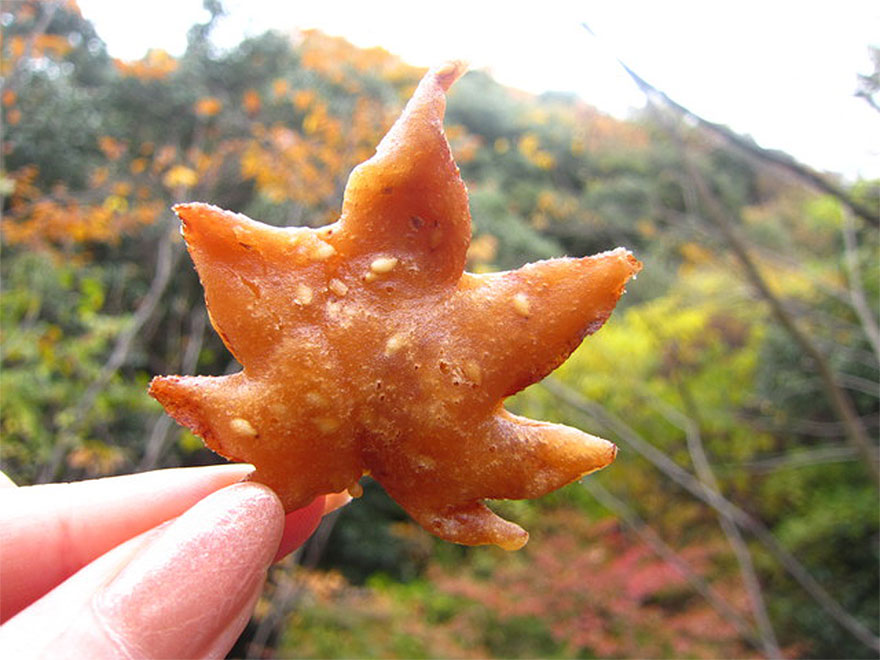
The Japanese celebration of the first cherry blossom of spring, Hanami, is of course legendary. But the Japanese are well known for their celebration of all aspects of nature, Sun & Moon festivals, water, fire and the seasons. This goes back to their home grown, atavistic Shinto belief system. In autumn and particularly in Osaka, Japanese Maple leaves are traditionally a seasonal snack. People collect fallen maple leaves, then preserve them in salt barrels for more than a year. Cooks then fry them in a sweet batter for about 20 minutes to produce a pretty and tasty treat. Some people say the salting stage is unnecessary but it serves several valuable functions: salting softens and breaks down tannins in the leaves, sterilizes the leaves of pathogenic bacteria, provides a benign primary fermentation, and draws excess water out of the leaves by osmosis. Keep it traditional!


The Japanese maple is called "momiji" (もみじ), and Minoo City is famous for its momiji tempura. Minoo is also known for its Japanese maples. And there's a long history of momiji tempura in Osaka with accounts saying the food was first prepared over a thousand years ago. The red leaves are said to make the tempura an interesting color.


The Japanese word "momiji" is said to have two meanings, both of them appropriate for the description of this wonderful tree: "baby's hands" and "becomes crimson leaves." Depending upon the cultivated variety, the maple leaves can either be broad, flat and palm-shaped, or lacy, but whichever type it is, it does resemble baby’s hands. Well, polydactyloid baby's hands but you get the picture. 


Although the relationship goes back thousands of years, the Japanese Red Maple has been cultured intensively for ‘only’ 300 years. This maple is native to China and Japan.  It is also a popular bonsai subject in Japan. At maturity, these amazing trees can reach heights varying from two to over thirty feet. Waiting for the leaves to fall before harvesting is therefore a jolly good idea. 


Tempura Japanese Maple Leaves Recipe

1. Clean Japanese red maple leaves with a wet towel
2. Make tempura batter (see recipe)
3. Heat vegetable oil in a deep pan to 350 F degree
4. Lightly dip one side of a Japanese maple leaf in the batter
5. Immediately fry them until brown
6. Drain tempura on a rack
7. Enjoy
Tempura Recipe

1. Beat 1 egg in a bowl
2. Add 1 cup ice water
3. Add 1 cup sifted all purpose flour
4. Mix Lightly (Be careful not to overmix)


North Utsire