This was an enchanted way to spend a Sunday morning, on 1st July 2025 at the picturesque Villa Krain Atelier-Cafe. We got there slightly early (unusually for Germans, Frühstück being held after 10am!). Perhaps it was the moderating influence of my fellow countrymen and folk musicians, Jon Sanders and Alex Seel, that led to the laid back vibe. They played sublime tracks as we were served coffee on the terrace overlooking the mighty Mosel, with the moody, grumbling clouds overhead. The air was cool and the forest exhaled an easy, moss-scented hush. That was, until the heavens opened and we were treated to a dramatic thunder storm, which sent us rushing for cover. As we stood sheltering, the roof of the delicate performance area buckled and in flooded the volume of a small swimming pool of water. This led to great confusion, protecting of electronics and musical instruments, and eventually abandonment of the scene, with helpers carrying a variety of guitars, fiddles, and all sorts. I think I had a mandolin. Once inside the grand old villa, we were treated to a hearty breakfast as we dripped dry (and in some cases clothes were wrung dry), with the musicians hardly dropping a note. Such consummate professionalism, and love for the music. The show, as they say, went on!
I recently listened to the BBC Radio 4 Artworks programme on "50 Years of the Köln Concert" which had the subtitle: "Fifty years after Keith Jarrett's Köln Concert enthralled a sellout crowd, Kevin le Gendre explores the album's enduring appeal and how a gig nearly cancelled led to a new sound world." I hadn't heard the Köln Concert for such a long time, many years ago, so it was good to catch up!
Keith Jarrett’s The Köln Concert is one of those rare recordings that feels almost mythical, not just because of the music but because of the story behind it. It wasn’t supposed to happen the way it did. In fact, it almost didn’t happen at all.
On January 24, 1975, Jarrett arrived at the Cologne Opera House exhausted, sleep-deprived, and suffering from back pain. To make matters worse, the piano provided for him was completely wrong—a small, poorly maintained instrument with weak bass notes and uneven tuning. It wasn’t the concert grand he was expecting, and for a pianist like Jarrett, who thrives on the full expressive range of the instrument, it was a disaster. He nearly walked away.
But something made him stay. Maybe it was the insistence of the young concert promoter, Vera Brandes, who had worked so hard to organize the event. Maybe it was sheer determination, or maybe it was that strange magic that sometimes happens when artists are forced to work within limitations. Whatever the reason, Jarrett sat down at that inadequate piano and started to play.
What came out was unlike anything else. Because he couldn’t rely on the deep resonance of a proper concert grand, he leaned into rolling left-hand patterns, hypnotic rhythms, and shimmering, gospel-like harmonies that made the most of the piano’s midrange. The result was a performance that felt intimate yet expansive, structured yet free, deeply personal yet somehow universal. There are moments of quiet reflection, moments of soaring joy, and stretches where you can hear him losing himself in the music with libidinal grunts and groans. The result is a powerfully spiritual, transcendent and life-affirming performance.
The recording went on to become the best-selling solo piano album of all time, a landmark not just in jazz but in improvised music as a whole. And yet, when you listen to it, none of that history really matters. What matters is the sound of an artist surrendering to the moment, finding beauty in imperfection, and turning what could have been a disaster into something timeless.
Lets see how long this Youtube remains active until it is pulled by copyright (Answer: 14 days, so I have replaced it with this sterile album cover):
There is nothing more romantic than spending your first Christmas together as a couple. And there is nothing more romantic than making a vegetarian nut roast for your ehefrau. Things go a bit yumpy though when you put on a Dr. Feelgood album whilst you're cooking and realise that after 2 hours on loop, he has invited himself for Christmas dinner! This blog discusses the tribulations of making a complex nut roast on Christmas day, and how the redemptive power of blues-rock can overcome any culinary vexation.
Dr. Feelgood are a British pub rock band formed in 1971 on Canvey Island, Essex. Known for their raw, high-energy blend of rock and rhythm and blues, they stood out with a no-frills, working-class attitude. The classic lineup featured Lee Brilleaux’s powerful vocals and Wilko Johnson’s sharp, choppy guitar, creating their signature sound. Early albums like Down by the Jetty (1975) and Malpractice (1975) captured their live intensity, while their 1976 live album Stupidity reached number one in the UK. Pioneers of pub rock, Dr. Feelgood helped pave the way for punk with their stripped-back approach. Despite lineup changes and Brilleaux’s early death in 1994, the band continues to perform, keeping their legacy alive.
So what's the connection between Dr. Feelgood and nut roast? Well, practically none at all! The quirky, tenuous relationship comes down to the cultural and countercultural waves from which they originated. Dr. Feelgood's gritty, no-frills blues-rock, came out of the 1970s UK music scene, embodying a raw, working-class energy. Meanwhile, nut roast, equally gritty the way I make it, became a staple in the growing vegetarian movement of the same era, fuelled by environmental awareness, ethical eating, and countercultural rejection of industrial meat production. Both are, in their own ways, symbols of rebellion against the mainstream; Dr. Feelgood shaking up overproduced rock with their stripped-down sound, and nut roast offering a hearty, meat-free alternative to the traditional British roast dinner. They reflect two sides of the same cultural coin: music and food as expressions of identity, resistance, and reinvention in 1970s Britain. Ok?
This is Dr. Feelgood circa 1978, waiting for Belfast's first (and only) all-day nut roast diner to open so they could plot the overthrow of imperialist society by breaking the stranglehold of the meat industry on agriculture.
I will now attend to my own personal act of rebellion by admitting I sought a vegan recipe on the BBC Good Food website, and after cooking the nut roast, watching it crumble in front of my very eyes, decided from that day forward to include an egg for binding and in future to extol the virtues of eating vegetarian, rather than vegan, nut roast. Screw you BBC for your deception. Below is the modified recipe which includes an egg. If you want to fight and die on the hill of veganism, then I recommend you omit the egg and bring a straw to your Christmas dinner party because that's the only way you'll manage to eat it.
Ingredients
1 onion, finely chopped 2 celery stalks, finely diced 1 leek (about 100g/3½oz trimmed weight), thinly sliced 2 carrots, coarsely grated (approximately 150g/5½oz) 2 garlic cloves, minced 300g/10½oz mixed nuts such as walnuts, hazelnuts, almonds, Brazil nuts or pecans 180g/6oz cooked chestnuts, roughly chopped 75g/2½oz dried cranberries 4 tablespoons cashew butter 1 vegan vegetable stock cube 2 tablespoons extra virgin olive oil, plus extra for greasing 4 tablespoons plant-based milk such as almond or soya finely grated zest of 1 lemon 20g/¾oz fresh parsley, finely chopped 1 teaspoon sea salt freshly ground black pepper
Method
Firstly, you will need to cook the chestnuts. Roasting (the oven method) gives them that rich, toasty flavour and slightly crisp shell.
Soak the chestnuts for 15-30 minutes before roasting.
Preheat oven to 200°C (400°F).
Score the shells: Use a sharp knife to cut a small cross or slit on the flat side of each chestnut. This is crucial — it lets steam escape and stops them from exploding.
Arrange on a baking tray: Place them cut-side up.
Roast for 20-25 minutes until the shells peel back and the flesh is tender.
Cradle the roasted nuts in a tea towel for 10 minutes to allow them to steam/ cool
Peel while warm, as they’re easier to work with when hot.
Chestnuts are much easier to peel when they’re still warm, so work quickly — and if they cool down too much, you can pop them back into warm water or the oven to loosen the skins again.
Place the mixed nuts and stock cube into a food processor and pulse until the nuts are finely chopped — you want small, even pieces rather than a fine powder. If you don’t have a food processor, you can chop the nuts by hand, aiming for a similar fine consistency.
Preheat the oven to 200C/180C Fan/Gas 6. Grease a 900g/2lb loaf tin with a little olive oil, then line the base with baking paper to help the loaf release easily after baking.
Heat the olive oil in a large frying pan over medium heat. Add the chopped onion, celery, leek, and grated carrot. Cook gently for around 15-20 minutes, stirring regularly, until the vegetables are softened and reduced somewhat. Stir in the garlic and cook for another 30 seconds.
Transfer the cooked vegetables to a large mixing bowl. Add the chopped nuts, chestnuts, cranberries, parsley, lemon zest, plant milk, and salt. Grind in plenty of black pepper. Mix thoroughly and set briefly to one side.
In a separate bowl, stir in the cashew butter (I used peanut butter), almond milk and vegetable stock, as well as the morally troublesome whisked egg, ensuring the ingredients are fully incorporated and adopts a fine paste. This will help the loaf hold together nicely when sliced.
Now mix the paste and vegetables/ nuts from the large mixing bowl, until everything is evenly coated.
Spoon the mixture into the prepared tin, pressing it down firmly with the back of a spoon to compact it well. Cover with foil and bake for 30 minutes.
After 30 minutes, remove the foil and bake for another 20 minutes, or until the top is lightly golden and the loaf is heated through.
Once baked, remove the tin from the oven and leave it to rest for 5 minutes. Run a knife around the edges to loosen, then carefully turn the loaf out onto a serving board or platter. Slice into thick portions and serve warm with vegan gravy or your favourite sides.
A new Bohemian Budgie audio creation to get your chops around, to accompany the wedding. The autumnal colours of the design really go well with the folky vibe. It glows warmly like a candle flame. In fact, the colours were one of the stand out features of our great day, with no frosty intrusion from icy blues & greys, no garish high viz. Hopefully the album reflects that. A kind of homespun simplicity to anchor and dispel all the frenzy of the wedding preparations.
An Bainise (Irish Gaelic for The Wedding) is a beautifully curated musical journey with a mix of traditional and contemporary influences, ideal for a thoughtful, reflective listening experience.
The cover art, with its autumnal floral wreath and evocative illustration of a playful rabbit herald (one of Arthur Rackham’s illustrations for Alice in Wonderland), sets a poetic and charming folkloric tone that matches the curated mood of the album. The inclusion of W.B. Yeats’ poem "Aedh Wishes for the Cloths of Heaven" suggests emotional depth and literary sensibility underpinning a sense of solemnity for the upcoming ceremony.
The tracklist indicates a diverse range of styles from folk classics like "Scarborough Fair" (Simon & Garfunkle), Celtic traditional ("Siúil A Rún" by Clannad), to more contemplative and intricate instrumentals ("Intermezzo in A" by Brahms, "Dr. MacInnes Fancy" by Iain MacInnes). There is a seamless blend of vocal and instrumental pieces, which creates a rich tapestry of sound that flows from acoustic folk to lyrical ballads, evoking faraway landscapes and stories.
Highlights include the haunting quality of "Is Trua Nach Bhfuil Mé in Éirinn" by The Bothy Band, the atmospheric storytelling of "You Rambling Boys of Pleasure" by Planxty, and the warmth of "Fisherman’s Blues" by The Waterboys. The presence of heartfelt modern folk-soft rock elements, e.g., Nick Drake’s "Time Has Told Me," adds to the album’s timeless feel.
Overall, An Bainise offers an invigorating yet intimate listening experience, perfect for a quiet evening or contemplative moments, reflecting a deep appreciation for Celtic and folk music traditions blended with poignant, literary overtones. The album likely balances fortifying and stimulating qualities, much like its namesake theme suggests.
“When all those records came out, I didn’t know they would be thought of as classics or ABCs of modern jazz. Most of those tunes came out just like that – real quick… and if anything was behind them it was like a wish that was manifested musically: maybe a wish for eternity or a beautiful girl.”
Wayne Shorter.
Such was the genius of the man, that intellectually, intentionally, he didn’t comprehend how he was constructing such sublime impressionistic harmony, and nor did he need to. Rather, it came from his soul, or perhaps from above. Such was the instantaneous authenticity of his talent. And that is what made him an improvisational jazz master. Musicologists in the future will try to unravel it, and maybe they will succeed, but it will take people outside of the reference frame in which this music was created to interpret what amounts to a Venutian language.
The fact that Wayne Shorter was a Nichiren Buddhist was no accident in my opinion. His mastery expressed itself spiritually in the music of jazz, and in the rhythm of chanting. The beauteous simplicity of Nichiren chanting demands a sort of manifesting, faith-in-action. And in his troubled life, Wayne Shorter perhaps needed it more than most.
The beautiful woman on the front of the Speak No Evil album, recorded in 1964, was of his wife, Teruko (Irene) Nakagami, described by Shorter as “like a pretty Japanese Audrey Hepburn.” Shorter dedicated the pieces "Miyako" and "Infant Eyes" to their daughter, and the album was copyrighted as "Miyako Music." Through this filter the whole album takes on the magnificence of a man in love with his family and playfully exploring his universal creativity. Sadly the relationship did not last and they separated in 1966, the year of release of the album. It always strikes me as ironic that such a brief testimony of love as Speak No Evil, was brought to the world when it was over.
Shorter remarried Ana Maria Patricio in 1970. Their daughter Iska died of a grand mal seizure at the age of 14, and both Ana Maria and the couple's niece, Dalila, were both tragically killed in a plane crash while travelling to visit Shorter in Italy in 1996. Shorter eventually remarried Carolina Dos Santos, a close friend of Ana Maria, and I hope found happiness. Nichiren Daishonin said “Do not go about complaining how hard it is to live in this world. such behavior is entirely unworthy of a real man.” And I think Shorter lived by that principle, joyously. I wish that he is transported to Sagga on winds of eternal Jazz music in gratitude for his Buddhahood and gifts to us all.
The Gohonzon is a Chinese-Sanskrit scroll containing characters that aids practitioners of Nichiren Buddhism to develop Buddhahood from within their lives.
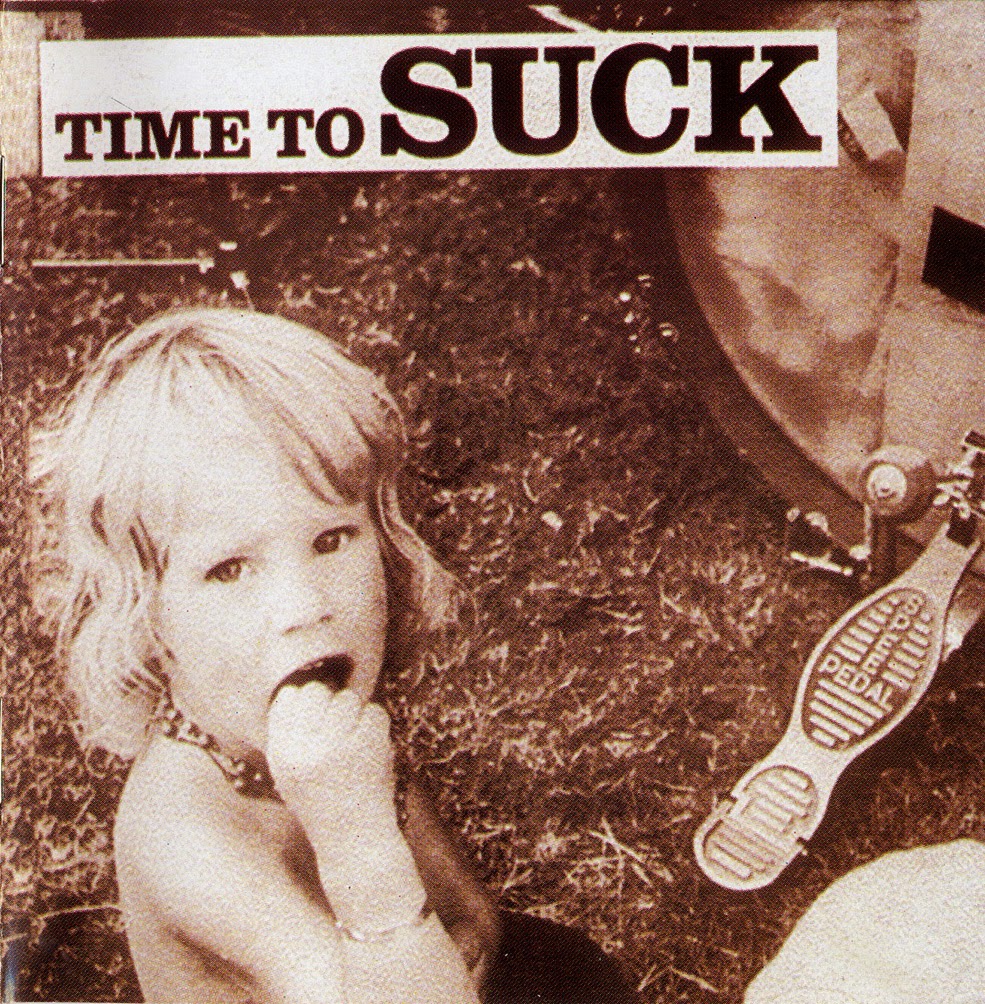
Suck were a rock band who were part of South Africa's first wave of hard rock titled, the "Big Heavies". The group lasted eight months between 1970 and 1971, during which they recorded their lone LP, Time to Suck. It was later released in America in 2009. Time to Suck is the first and only album by the South African hard rock band Suck. Released in 1970, it was recorded at the EMI Studios in Johannesburg in six hours. The album was initially only released in South Africa and France. The French edition's cover had the colours inverted. The first official CD release came in 2001 on Fresh Music with the bonus track "War Pigs". In 2002, a label called Progressive Line purportedly operating out of Australia released its own CD version of Time to Suck. German label Shadoks reissued it in 2009 on CD and vinyl, the first vinyl issue of the album since 1970.
Before its release on their album, Santana, then a largely unknown band, performed "Soul Sacrifice" as their closing number at Woodstock. "They were the only act to play without a record; it was unparalleled. Santana went from Woodstock to being in global demand almost overnight". Their debut album Santana was released in the same month. The band had just played local gigs in the San Francisco area before that point.
Santana used to have a massive percussion section at that time and drummer Michael Shrieve added his personal note, especially during the drum solo of Soul Sacrifice. In several interviews, Santana recalled experiencing the effects of psychedelics during the performance, claiming he was tripping on LSD throughout most of the performance and was hallucinating that his guitar was a snake. Nevertheless, he got it together for the finale and performed flawlessly. "By the time we got to 'Soul Sacrifice', I had come back from a pretty intense journey. Ultimately, I felt we had plugged in to a whole lot of hearts at Woodstock"
I had the good fortune to watch this film again over the
Christmas/ New Year period. Although I had seen it once before, it didn’t make
such an impression on me first time round. It humorously opens up the great themes of humanity- life- relationships- death, etc. I was originally turned off by the ‘farce’ elements; the faux
middle class self- effacing humour (which always turns out to be reassuringly
self- affirming funnily enough); and by the precocious child acting for its own sake, which utterly failed to charm me. This time however, sat in front of
a Hygge crackling log fire, with the cold weather outside, and everybody in the house already gone to bed, it struck me as having the potential to be a classic film.
Billy Connolly is solely responsible for the success of the
film in my opinion, injecting a hefty dose of Big Yin right into the heart of
the plot. Without that realism (I mean, the realism of his screen congruence rather then
the fact he is portrayed as dying), I think I would actually quite hate the
cloying nature of this film. Apparently he had prostate cancer during the
filming, but didn’t mention it to the directors at the time. Incredible. I
should watch/ listen more to Billy Connolly’s films and comedy routines as much
of his good stuff was being done when I was a kid in the 70’s.
The other great ‘star’ of the show is the location. The
nature scenes shot in Gairloch in the Scottish Highlands and Loch Lomond evoke
such a primitive and forlorn sense of openness that they become a canvas into
which you can project infinitely and not come back, just like Billy
Connoly does on his death and Viking burial at sea. Note to self: Must Go To
Gairloch!
In addition to some excellent live folk music in the film, there
is ever such a brief inclusion of The Waterboys- Fisherman’s Blues from the eponymous
1988 album. Fisherman’s Blues becomes a skilfully deployed musical spear that
prises open your heart chakra by a million minute degrees. I don’t know what I was doing
in 1988 but whenever I hear that tune I am young again, naïve and full of life
and wonder. Researching their album, I found out The Waterboys have in recent
times released a 7 CD version of Fisherman’s Blues, containing 121 tracks which
were recorded over a 2 year period in a variety of locations; and that the folk
elements of the album marked a radical departure from their earlier work, which
I must admit I am very grateful for. So looks like, in addition to listening to
many hours of Billy Connolly comedy routines, I have a 7 CD 121 track journey
of Irish folk- blues to work my way through. Happy New Year!
Good album for a wintry day. Pilgrimage is the second studio album by the rock
band Wishbone Ash. The album focuses more
on folk and acoustic music as opposed to the blues
rock sound that dominated the first album. The album also contains an instrumental jazz workout
("Vas Dis") which (apart from sounding a bit too much like Vas deferens for my comfort) reminds me a bit of early Gong, and a four-part harmony
vocal track in the spirit of Crosby, Stills, Nash,
and Young ("Valediction"). The album sold well, reaching no.14
in the UK
charts, but the band would reach their creative and commercial peak with their
next studio release, Argus.
Tracklist:
1. Vas Dis 00:00
2. Pilgrim 04:45
3. Jail Bait 13:19
4. Alone 18:05
5. Lullaby 20:29
6. Valediction 23:33
7. Where Were You Tomorrow (Live) 29:53
8. Jail Bait (Live) 40:19
At the time, Wishbone Ash comprised of band members:
Bass, Vocals – Martin Turner
Drums – Steve Upton
Engineer – Martin Birch
Guitar, Vocals – Andy Powell, Ted Turner
Producer – Derek Lawrence
Engineer – Martin Birch
Recorded at the De Lane Lea Studios, London in May, 1971
"Where Were You Tomorrow" recorded live at De Montfort Hall,
Leicester on June 14, 1971
Couldn't go this month without at least an oblique mention of the US election. To quote the text from the Winter In America LP sleeve: "At the end of 360 degrees, Winter is a metaphor: a term not only used to describe the season of ice, but the period of our lives through which we are travelling. In our hearts we feel that spring is just around the corner: a spring of brotherhood and united spirits among people of color. Everyone is moving, searching. There is a restlessness within our souls that keeps us questioning, discovering and struggling against a system that will not allow us space and time for fresh expression. Western iceman have attempted to distort time. Extra months on the calendar and daylight saved what was Eastern Standard. We approach winter the most depressing period in the history of this industrial empire, with threats of oil shortages and energy crises. But we, as Black people, have been a source of endless energy, endless beauty and endless determination. I have many things to tell you about tomorrow’s love and light. We will see you in Spring."
Tasty rural boogie
blues rock with Crazy Horse influences, this lone album from Illinois’ sextet Farm is an air-guitarist’s delight.
Intricate, dual guitar interplay is the order of the day, with lots of
meandering solos full of those West Coast druggy vibes. If you’ve worn out all
your bootleg outtakes of David Crosby and The Pure Earth Rock and Roll
Orchestra’s Wally heider sessions, then this is the next logical step for your
musical mind expansion.
Members:
* Del Herbert (lead guitar),
* Gary Gordon (vocals, guitar, bottleneck guitar),
* Jim Elwyn (vocals, bass),
* Steve Evanchik (percussion, harmonica),
* Roger Greenwalt (keyboards),
* Mike Young (drums).
Tracks:
01. Jungle Song (instrumental)- 7:45
02. Let That Boy Boogie - 7:13
03. Sunshine In My Window - 3:47
04. Cottonfield Woman - 3:57
05. Statesboro Blues - 3:24
"Formed in 1969, Farm was a band from Southern
Illinois, whose bluesy, country rock style was very similar of
that of The Allman Brothers, and Canned Heat. Recorded at Golden Voice
Recording Studios in South Pekin, Illinois and released on a small (500 copy
pressing) record label from Flora, Illinois, this Farm released a very obscure
and rare album of heavy garage psych with fuzz guitars, congas, mouth harp,
organ, bottleneck and timbales. They thank a certain George Leeman on the
sleeve notes, as their friend and spiritual guide. The band disbanded in 1973." *
* From Fuzz, Acid and Flowers: Comprehensive Guide to American Garage,
Psychedelic and Hippie Rock (1964-75) by Vernon
Joynson (Author) Borderline Productions 4th Edition (1997)
I was really hoping to post up the full Free album Fire & Water. Its ideal for a Sunday morning when you're ambling around the morning after the night before, scratching your nuts, rearranging crap on the coffee table pretending to get organised. Well, you know Youtube. Seems like that was too tall an order to breach precious copyright rules, so instead I got a copy of Free performing live at Radiohuset, Stockholm, Sweden in 1970. On the surface of it, the performance is less polished and somewhat more stoned than the studio version, but it really works. There are a couple of tracks on the playlist which are not on the album either (The Stealer, Riding On A Pony, Woman), plus a bit of preamble. I love both versions. But then Youtube go pull the Radiohuset version too. Don't you just love the free world.
Here’s another album all but lost in the depths of time
until rediscovered circa 1993, and re- released by Wooden Hill in 2010. It’s
been described as "guitar-dominated heavy progressive" but I
disagree. Its more like a connosieur blend of psychedelic prog- rock,
reminiscent of Uriah Heep and Iron Maiden, with a hint of Led Zep thrown in.
They seem to defy definition, but are undeniably British psych- rock:
“Very cool music that
screams London underground at the turn of the 60's into
the 70's. Too bad the production isn't cleaner. If you like T2, Clear Blue Sky,
Fuzzy Duck, Hard Stuff, Pink Fairies etc you'll dig it.”
In 68/69, guitarist Phil Newton saw an advert in Melody
Maker for an all-inclusive deal at David Richardson’s SRT (sound recording
technology) business that offered 8 hours of studio time, a master tape and 99
finished LPs for £100. In 1971 the band booked SRT (established as Sky Studios
in 1968) and within 8 hours had recorded the full album - mainly for
themselves, plus gigs/friends and family. Incredibly, no copies were sent to
major labels/impresarios, and only 99 copies were ever pressed. The band began
to play on the London club circuit
at venues like The Greyhound, The Marquee and even the Roundhouse. They had a
residency at the Speakeasy in London,
but had their gear & music equipment stolen whilst traveling (including one
of the first Mellotrons). Which put an end to things. Bloody shame.
Some random 70's dude with a Mellotron to his left
The recording quality is not brilliant, but given its with
us at all is nothing short of miraculous. In its December 2004 edition 'Record
Collector' valued an original vinyl pressing of the album at £850.
Tracklist
Leaving
6:35
Romany Refrain
4:12
Tomorrow Today
7:10
Saga Of The Sad Jester
4:36
Dawn
5:12
Leaving
6:35
Lineup
Bass
Dave Holland
Drums
Johnny Clark
Flute
Jan Chandler
Keyboards
John Stevenson (tracks: B3)
Lead Guitar
Phil Newton
Producer
Dave Richardson (2)
Vocals
Dave Holland, Fred Lilley, Jan
Chandler, Phil Newton
Taste was a blues/rock power trio from Ireland
in the late 1960s. It was lead by singer/songwriter/guitarist Rory Gallagher
who later went on to a long solo career doing his own thing. Taste only managed
to record two studio albums in its short career, they being Taste (1969) and On
The Boards (1970). The band had two distinct incarnations. First 1966-68 where
the members joining Rory Gallagher were Eric Kitteringham on bass and Norman
Damery on drums. From 1968-71, Richard (aka: Charlie) McCracken (bass) and John
Wilson (drums) joined Rory and were with him for the recording of the studio
albums.These guys are easily up there with the likes of Led Zep, Rush and Cream
but never seem to get the biscuit. It’s a rock n roll tragedy. But a kinda good
one too.
In a 1977 interview with ZZ Magazine (issue 23), Gallagher
said of the early years “It was very much a case of sleeping in the van, and
long hard grinds around the various clubs, but it was pretty enjoyable even
so... and then we just broke up — Eric wanted to start his own band and Norman
wanted to get off the road for a while, and so we packed it in. In Hamburg
we'd play 45 minutes in each hour, and we'd go on stage about four or five times
a night — that's weekdays… on Saturdays we had to do seven sets. I was never
there for months on end, like the Beatles, but it was good hard labour all the
same. I wasn't complaining though, because in the showband it wasn't unusual to
do five hours on your feet without a break... you'd get off the stage and your
fingers would be mashed to pieces. I enjoyed every minute of Hamburg
though. .. . it was fun unlimited really, because you often shared the bill
with another band, and we used to have a lot of good times.”
A 1969 ZigZag cover featuring Frank Zappa
Gallagher moved into blues from a Chuck Berry style of
playing: “ I began to hear people like Buddy Guy, and some of the older
acoustic players... it was just a gradual move; for instance I found out about
Willie Dixon from Chuck Berry records, and then discovered he also wrote songs
that were recorded by Muddy Waters.. . . and so I got into his music. You know
how you get interested in something and try to find out more it was like that
really."
Touring with Blind Faith in 1969, taste passed up the option
of gigging Woodstock. “I remember
the agent coming on board the bus in New York and asking if the package, which
was Blind Faith, Delaney and Bonnie and Friends and Taste, would be interested
in going up to Woodstock.Clapton was at the top of the bus and he turned around
and asked for a show of hands and it got voted down and voted down by quite a
bit. The guys in Taste, Rory included, kept their hands down - they felt they
weren’t important enough to be given a shout. Eric wanted to do it and I
remember whispering to him that, with all due respect to democracy, it was his
shout basically but it went to a vote and Woodstock
went on without us.” Although Rory and Taste missed out on the chance to play
to 400,000 fans at Woodstock, just
a year later, the band performed before an estimated 600,000 at the Isle
of Wight. The band’s performance was captured on film and has been
released on DVD.
All tracks were composed by Rory Gallagher except where
stated, and produced by Tony Cotton. It was released on the Polydor label in Europe
and Atco in North America.
This track, from the eponymous album is so rare that hardly anything is known about it. Except its fusion jazz. Japanese. By trombonist Hiroshi Suzuki. It was made in 1975 for Columbia Records in Japan and features Hiroshi Suzuki - Trombone, Hiromasa Suzuki - Keyboards, Akira Ishikawa - Drums, Takeru Muraoka - Sax, Kunimitsu Inaba - Bass. There are 5 extended tracks on the album, comprising Romance, Shrimp Dance, Walk Tall, Cat, and Kuro To Shiro. What more do we need to know!


.jpeg)


.jpeg)


.jpeg)


.jpg)


