by North Utsire

Saturday, 5 July 2014
Arlo Dodges the Draft
by North Utsire


Dulce et Decorum Est


Bent double, like old beggars under sacks,
Knock-kneed, coughing like hags, we cursed through sludge,
Till on the haunting flares we turned our backs
And towards our distant rest began to trudge.
Men marched asleep. Many had lost their boots
But limped on, blood-shod. All went lame; all blind;
Drunk with fatigue; deaf even to the hoots
Of tired, outstripped Five-Nines that dropped behind.
Gas! Gas! Quick, boys!—An ecstasy of fumbling,
Fitting the clumsy helmets just in time;
But someone still was yelling out and stumbling
And flound’ring like a man in fire or lime...
Dim, through the misty panes and thick green light,
As under a green sea, I saw him drowning.
In all my dreams, before my helpless sight,
He plunges at me, guttering, choking, drowning.
If in some smothering dreams you too could pace
Behind the wagon that we flung him in,
And watch the white eyes writhing in his face,
His hanging face, like a devil’s sick of sin;
If you could hear, at every jolt, the blood
Come gargling from the froth-corrupted lungs,
Obscene as cancer, bitter as the cud
Of vile, incurable sores on innocent tongues,—
My friend, you would not tell with such high zest
To children ardent for some desperate glory,
The old Lie: Dulce et decorum est
Pro patria mori.
Poem: Wilfred Owen, 1917
Artwork 1: Zdzislaw Beksinski
Artwork 2: Stormtroops Advancing Under Gas, etching & aquatint by Otto Dix, 1924
Video: Human cost of Battle of Verdun, 1916
By North Utsire
Wednesday, 2 July 2014
Better Than Folk Off
In 2006, Sunday Best Recordings released a 2CD Psych- Folk compilation they called Folk Off. I listened enthusiastically to the album but remained indefatigably underwhelmed at many of the offerings, in agreement with this sage reviewer. Just because its ‘acid’ or ‘psych’ music, doesn’t really mean you can get away with any old dissonant din. Many of the tracks were unrelated to the genre. I was so peeved at this indignacious assault on my delicate fluffy folk sensibilities that I created a compilation album I call Better Than Folk Off. Although the tracklist uses Folk Off as a springboard, and some ‘outliers’ are still dutifully retained within the new compilation, it is so utterly different that it serves as a monument to recording studios who think they can throw up any garbage they have got the rights to and sell it to the gullible under the mildewed cloak of Psych- Folk music.


By North Utsire
Tree Lore #5: Meetings With Remarkable Trees

"You should see them at the full moon", says the deer park keeper, "The trees look at you in an odd way".
--- Thomas Packenham, Meetings with Remarkable Trees.

--- Kenneth Grahame, The Wind In The Willows.

By North Utsire


Tuesday, 1 July 2014
Up Ringing Roger, Down Jacob's Ladder
I paid a visit to the Peak District's Hope Valley today. Starting in Edale, I did a roughly 7 mile circular walk ascending Ringing Roger via Ollerbrook Clough around The Nab, traversing the many hollowed living wind- sculptured gritstones with excellent views across the valley. After wandering as far as Edale Moor and taking in the undisturbed vista of the SW Pennines, I came down Jacob's Ladder, via Kinder Low which is the start of the Pennine Way. For large parts of this walk there was nobody to be seen, and on Edale Moor that rare and beautiful confluence of spots of jeweled rain and strong sun rang out cooling blessings on my grateful head. I am sure there is something metaphysically wrong with descending Jacob's Ladder rather than going up, but I'll leave that one to the philosophers to untangle. Coming down the path, I realised my very first plateau climb was Kinder Scout just over 30 years ago, and how despite the discomfort and feeling I was going to die at the time, it had made an indelible mark on me as a lifelong fell walker. Circular walk, 30 years of walking, the howling smoothed skin of the rocks; there were many circles to contemplate in the late afternoon sun, with the chattering of twites and the lazy nodding cotton grass.


Music: Ri Na Cruinne, Clannad (1990)
Photography: The Bohemian Budgie
By North Utsire
Sunday, 22 June 2014
It's a Beautiful Day: White Bird (1969)

The group's signature song "White Bird" was
inspired by the experiences David and Linda LaFlamme had while living in Seattle,
Washington. For a few weeks in December
1967 the group members lived in the attic of an old house while playing and
rehearsing at Seattle's Encore
Ballroom. In an ironic twist on the band's name, the song was partly inspired
by Seattle's rainy winter weather. The
band's manager Matthew Katz had relegated the band to improve their act before
he would book them into San Francisco
nightclubs.
In a later interview David LaFlamme said:
Where the 'white bird'
thing came from ... We were like caged birds in that attic. We had no money, no
transportation, the weather was miserable. We were just barely getting by on a
very small food allowance provided to us. It was quite an experience, but it
was very creative in a way.
The song's repeated chorus is, "White bird must fly or
she will die."

By North Utsire
Saturday, 21 June 2014
Summer Solstice (Alban Hefin)
Midsummer, 21st
June


All night
the ancient ring of stones and dolmens hums its energies. Dawn’s faint light
lifts the darkness, a rosy halo rises above the skyline, and now the sun’s
first beam strikes though the granite archway. Hail sun-god, bearer of light
and power. Hail, bright deity, ascending the zodiacal arch, and reaching the
zenith of the year. Druids welcome you with drumming, blowing of curling horns.
The crowning of the year is yours, the time of greatest force and potency.
Birch, fennel, white lilies and trefoil are your early offerings. Bonfires are
lit, holy men cut staffs and wands from hazel, birch, and willow. The trees of
summer, charged by your fullness, hold your most potent magic. Day of feast and
celebration, honouring the oak, the Summer King, with rolling of fiery wheels.
Now is the dark diminished. Mabon, the sacred child, is victor. Divine Light,
shining god in brightest splendour, reaches to fullest glory.
From The Celtic Book of Seasonal Meditations,
by Claire Hamilton
By North Utsire
A Midsummer Night's Dream
I know a bank where
the wild thyme blows,
Where oxlips and the nodding violet grows,
Quite over-canopied with luscious woodbine,
With sweet musk-roses and with eglantine.
Where oxlips and the nodding violet grows,
Quite over-canopied with luscious woodbine,
With sweet musk-roses and with eglantine.

The lunatic, the lover, and the poet, are of imagination all compact.
Your eyes are lodestars! and your tongue's sweet air
More tuneable than lark to shepherd's ear,
When wheat is green, when hawthorn buds appear.
More tuneable than lark to shepherd's ear,
When wheat is green, when hawthorn buds appear.

Puck. How now, spirit! whither wander you?
fairy Over hill, over dale,
Thorough bush, thorough brier,
Over park, over pale,
Thorough flood, thorough fire,
I do wander everywhere,
Swifter than the moone's sphere;
fairy Over hill, over dale,
Thorough bush, thorough brier,
Over park, over pale,
Thorough flood, thorough fire,
I do wander everywhere,
Swifter than the moone's sphere;

And I serve the fairy queen,
To dew her orbs upon the green:
The cowslips tall her pensioners be;
In their gold coats spots you see;
Those be rubies, fairy favours,
In those freckles live their savours:
I must go seek some dew-drops here,
And hang a pearl in every cowslip's ear.
To dew her orbs upon the green:
The cowslips tall her pensioners be;
In their gold coats spots you see;
Those be rubies, fairy favours,
In those freckles live their savours:
I must go seek some dew-drops here,
And hang a pearl in every cowslip's ear.

Swift as a shadow, short as any dream,
Brief as the lightning in the collied night,
That, in a spleen, unfolds both heaven and earth,
And ere a man hath power to say, — Behold!
The jaws of darkness do devour it up:
So quick bright things come to confusion.
Brief as the lightning in the collied night,
That, in a spleen, unfolds both heaven and earth,
And ere a man hath power to say, — Behold!
The jaws of darkness do devour it up:
So quick bright things come to confusion.

...Night's swift dragons cut the clouds full fast,
And yonder shines Aurora's harbinger;
At whose approach, ghosts, wandering here and there,
Troop home to churchyards.
And yonder shines Aurora's harbinger;
At whose approach, ghosts, wandering here and there,
Troop home to churchyards.

Quotes from A Midsummer Night's Dream; William Shakespeare
Music: A Midsummer Night's Dream Overture, Op21; Felix Mendelssohn
Illustrations of Shakespeare's A Midsummer Night's Dream by Arthur Rackham
Film: Judi Dench as Titania, Queen of the Fairies (1968)
Film: Judi Dench as Titania, Queen of the Fairies (1968)
Artwork by Anna Oparina (aka Mukiltocasualtie), Russia
By North Utsire
Wednesday, 18 June 2014


Commune
Commune is a 2005 documentary film by Jonathan Berman. The
film is about an intentional community located in Siskiyou County, California
called Black Bear Ranch and features narration by Peter Coyote who himself once
resided at Black Bear. Above is the trailer but here is a link for the full docu- film with Russuan subs. It goes well with a book I am reading by Richard Fairfield
called The Modern Utopian: Alternative
Communities Of The ‘60’s and ‘70’s, a quote from which is below.

Winter Approaches
From Cold Mountain Farm, by Richard Fairfield
First published: The Modern Utopian, vol.3, no.2, spring 1969
Republished in the book The Modern Utopian, Process Press, 2010
So we all lived together, peaceably enough, until one night it was very, very cold, and wet and windy, and we could smell the coming of autumn. Then it was time to begin thinking about what we’d be doing in the winter- staying here or moving on- and making plans accordingly. Mostly we had to consider the hardship of a very cold winter, no gas or electricity, a one- mile dirt road, which would probably be inaccessible because of heavy snow (even during the summer, only jeeps and four- wheel- drive cars and trucks could climb the road).
There were five couples, three of the women were pregnant, and a fourth was nursing. The babies were due in October, November, and February. The first two couples wanted o deliver their own but not take the chance of doing it here. A single girl was already building her stone house for the winter. Another man intended to live in the big house for the winter. Almost all hoped to be here early next spring. By this time, two couples and a girl had moved entirely to their own shelters.
The communal garden was a monstrous failure. After the original enthusiasm of planting, hardly anyone cared enough to weed the rows. (Of course, the huge amount of rain this year retarded the growth of crops and caused the weeds to grow like crazy! And six acres is a hell of a lot of land to weed by hand. If we try again next year, we’ll certainly have to get a cultivator.) At least two acres of garden were lost, either because they weren’t weeded adequately or because they were planted too late and the growing season was too short, or because there wasn’t enough sun and there was too much rain, or because of the aphids, or the potato blight….
We didn’t become new people, we just became physically healthy people. We didn’t find a way of sharing our visions (in fact, we didn’t even have a conscious understanding of the need for such a thing), and we didn’t have a shared vision to bring us and hold us together.
We had ploughed and begun to plant the earth, but we had not pierced our own ego skins. Decay and stagnation had already set in. I went into the woods to meditate. The woods explained: it was high time we ploughed the earth of this community. We must apply the blade to ourselves and cut back the outer skin to expose the pulsing flesh. And then we must harrow and pulverise the outer skin and use our egos for compost. Then, in the new flesh, we must plant the seeds of the people we wish to become.
 |
| The Mandala of Great Nature, from The Modern Utopian |
By North Utsire
The Four Gospels of Nutrition
I find these 4 books on whole food Nutrition to be
indispensable, but the funny thing is they all differ from each other in
outlook. There is quite some crossover though, and between them they represent
aspects of a whole approach to nutrition.

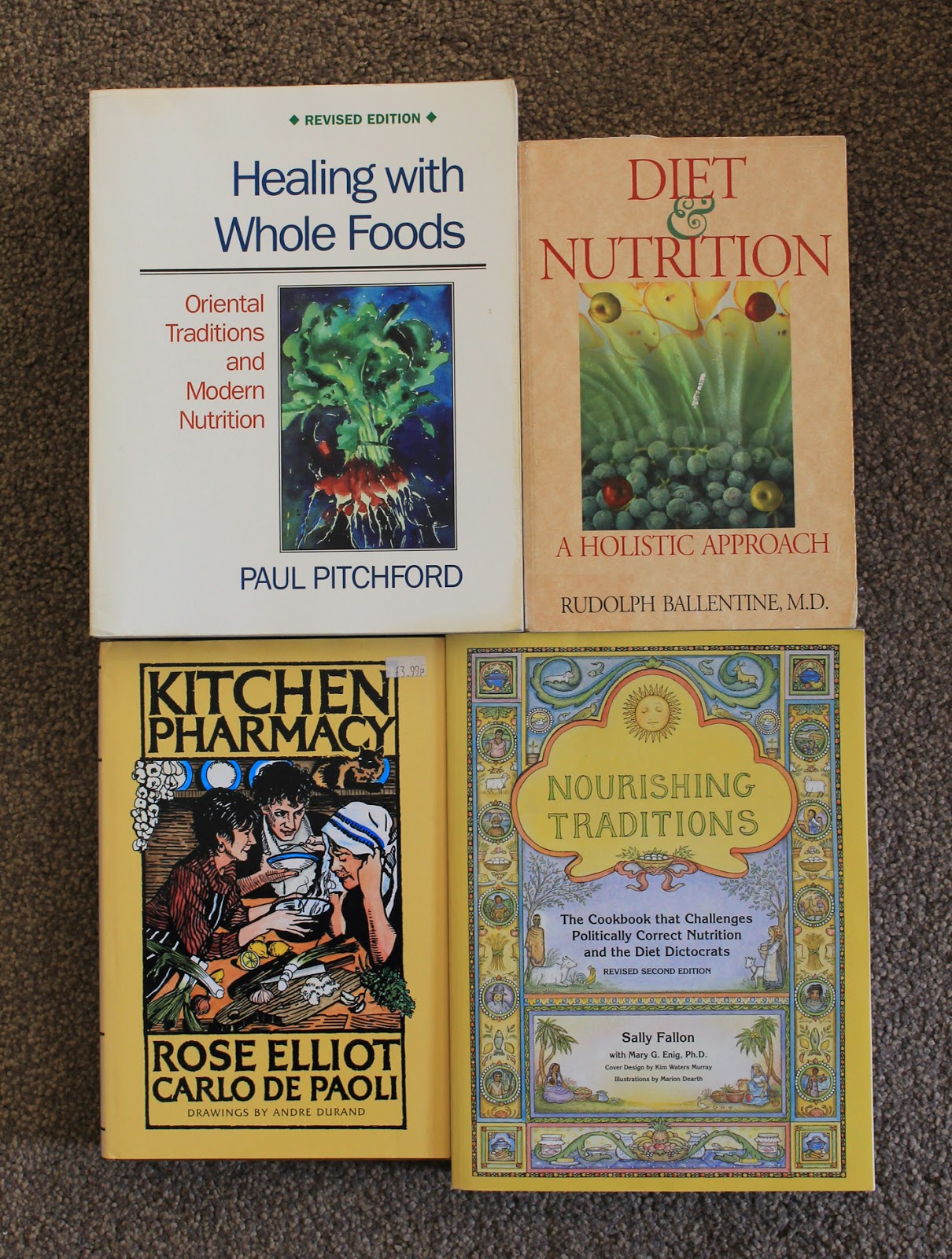
Kitchen Pharmacy
Rose Elliot
|
Takes a TCM energetic view of foods
Remedial suggestions, e.g. onions for cough, etc
Makes seasonal connections to foods, conditions
Constitutional medicine
Ideal companion to herbal texts
|
Healing With Whole Foods
Paul Pitchford
|
Voluminous & complete.
Develops concept of Dietary Transition
Ultimate destination: vegan wholefood diet, although meats
are given consideration in text
Primarily Eastern approach, and foods, e.g seaweeds
|
Nourishing Traditions
Sally Fallon
|
Based on work of Weston Price
Traditional diets, including meats, full fats, sauces, etc
Excellent theoretical introductory chapters
Whole foods and hearty cooking
|
Diet & Nutrition
Rudolf Ballentine
|
Scientific approach
Good analysis of food groups
Much contextual information, e.g. cultural, geographic and
economic factors in aetiology of deficiency diseases
Emphasis on Indian foods and spices, within an Ayurvedic
context.
|
By North Utsire
Monday, 16 June 2014
Working Class Acupuncture Movement
WCA is a social business – a term coined by Nobel Peace Prize
winner Dr. Muhammed Yunus who launched the micro-credit movement. A
social business delivers “social dividends” – in this case, affordable
health care and living wage jobs, not financial dividends to be siphoned
off to owners or shareholders. For WCA, this means that they only need to
break even. Social business is capitalism with a twist – a very deep,
very structural twist.


Working Class Acupuncture Website
People's Organisation of Community Acupuncture (WCA Cooperative)
UK Scene: Multi- bed acupuncture clinics
By North Utsire
Sunday, 15 June 2014
SE Asian Grated Coconut & Beetroot
Whole Spices
½ tsp Fennel seeds
½ tsp Coriander seeds
1 Star Anise
½ tsp Cumin seeds
1-2 Cinnamon sticks
|
Powdered Spices
½ tsp Black Pepper
½ tsp Turmeric
1 tsp Garam Masala
1 Tbsp Coriander
½ tsp Chilli powder
¼ tsp nutmeg
|
Fresh Spices
Coriander (handful)
Garlic (4-5 cloves)
Ginger (1” chopped)
3 Green finger chillies
|
Liquid Ingredients
1Tbsp Olive Oil
1 Large knob butter
2 Tbsp Greek Yoghurt
400ml pureed tomatoes
|
Vegetables
12 oz (360g) Grated Coconut
3 Medium grated golden beets
1 Medium Onion
Handful French beans, chopped
|
Other
Frozen white fish fillets (optional)
|
Instructions
Roast the coconut in a frying pan, in a small amount of
oil until brown
In a pan, separately heat the whole spices until aromatic
and add to the coconut
Fry the onions & garlic in oil until brown
Add together, including the butter, on medium heat
Add the tomatoes, beets, and other veg and powdered spices
Add fresh spices (ginger, chillies and coriander)
Simmer for 40- 90 minutes (until coconut is sufficiently
softened)
If adding frozen fish fillets, simmer for a further 30
minutes
|
||

By North Utsire
Zdzisław Beksiński
Zdzisław Beksiński
(1929- 2005) was a Polish painter, photographer and sculptor, specializing in
the field of utopian art. Beksiński did his paintings and drawings in what he
called either a 'Baroque' or a 'Gothic' manner. His creations were made mainly
in two periods. The first period of work is generally considered to contain
expressionistic color, with a strong style of "utopian realism" and
surreal architecture, evoking a doomsday scenario. The second period contained more
abstract style, with the main features of formalism. Beksiński was murdered in
2005 by stabbing at the hand of the teenage son of his longtime caretaker, whom
he had refused to lend only a few hundred złoty (approximately $100).


By North Utsire
Friday, 13 June 2014
Feeding 9 Billion People
By North Utsire
Killing Fields & The Meatrix
Cheap meat has become a way of life in much of Europe, but the full price is being paid across Latin America as vast soya plantations and their attendant chemicals lead to poisonings and violence. An investigation in Paraguay has discovered that vast plantations of soy, principally grown for use in intensively-farmed animal feed, are responsible for a catalogue of social and ecological problems, including the forced eviction of rural communities, landlessness, poverty, excessive use of pesticides, deforestation and rising food insecurity. For a full report by Andrew Wasley in The Ecologist, click here.
The Moody Blues: Om (1968)
By North Utsire
Thursday, 12 June 2014
Felix Mendelssohn: Scottish Inspired Music
“The Scottish” (1842) and “The Hebrides” (1830)
Mendelssohn’s 3rd Symphony, The “Scottish”, was inspired by a walking tour around the highlands of Scotland, which he took with his friend Carl Klingemann in the summer of 1829, and draws on indelible memories of visits to the Highlands where he was particularly captivated by Edinburgh’s craggy scenery, making sketches which still exist today. In the ruined chapel of Mary Stuart he noted down the introduction that some twelve years later would inspire the "Scottish". Mixing a dark storytelling mood with a fleetingly Scottish folk music style (the lively second movement is melodically and rhythmically in the style of Scottish folk music, although no direct quotations have been identified), Mendelssohn employs whirling Scottish rhythms with some panache and shapes this exhilarating symphony to exultant, but paradoxically Germanic conclusion.

Mendelssonhn was also naturally compelled to write music when he visited Fingal’s Cave on the bleak uninhabited island of Staffa in the Hebrides. It was here, on August 7th 1829 whilst overlooking the Isle of Mull, that Mendelssohn found the inspiration for his orchestral piece and wrote the opening theme the next day. Though labelled as an overture, it is intended to stand as a complete work. Although programme music, it does not tell a specific story and is not "about" anything; instead, the piece depicts a mood and "sets a scene", making it an early example of a musical tone poem.

The sense of Hebridean wonder soon abated, however. Moving on to Wales, Mendelssohn began work on his Op.12 String Quartet. He was less taken with Welsh national music, which he described in a letter as "having given me a toothache!"

Although the image was cultivated, especially after Mendelssohn’s death in the detailed family memoirs by his nephew Sebastian Hensel, of a man always equable, happy and placid in temperament, this was a bit misleading. The nickname "discontented Polish count" was given to Mendelssohn because of his aloofness, and he referred to the epithet in his letters. Some regard Mendelssohn as sentimental and second-rank because his reputation was assailed by Wagner, who had his own ambitions for a nationalistic German culture, and who had been spurned as a youth when he had sent sheet music to Mendelssohn for his perusal.

But there was also a certain indelible fieriness about Mendessohn. Perhaps that’s why he resonated with the Scottish landscape, people and music. Mendelssohn was frequently given to alarming fits of temper which occasionally led to collapse. On one occasion in the 1830s, when his wishes had been crossed, shortly after his visit to Scotland, "his excitement was increased so fearfully ... that when the family was assembled ... he began to talk incoherently, and in English, to the great terror of them all. The stern voice of his father at last checked the wild torrent of words; they took him to bed, and a profound sleep of twelve hours restored him to his normal state". Such fits may be related to his early death at age 38, although it did cross my mind that maybe he had sneaked a bottle of single malt back with him and had over indulged that night, letting a few choice Scottish phrases out.

Painting: Joseph Mallord William Turner: Staffa, Fingal’s Cave (1831-1832)
Photography: Scottish lochs by Karl Williams
Karl William's subjects are wide and varied, ranging from landscapes, both natural and urban, through wildlife to exterior and interior architectural detail. Much of his recent work makes use of the HDR (High Dynamic Range) imaging technique. Karl is currently based in Glasgow.
By North Utsire

Mendelssonhn was also naturally compelled to write music when he visited Fingal’s Cave on the bleak uninhabited island of Staffa in the Hebrides. It was here, on August 7th 1829 whilst overlooking the Isle of Mull, that Mendelssohn found the inspiration for his orchestral piece and wrote the opening theme the next day. Though labelled as an overture, it is intended to stand as a complete work. Although programme music, it does not tell a specific story and is not "about" anything; instead, the piece depicts a mood and "sets a scene", making it an early example of a musical tone poem.

The sense of Hebridean wonder soon abated, however. Moving on to Wales, Mendelssohn began work on his Op.12 String Quartet. He was less taken with Welsh national music, which he described in a letter as "having given me a toothache!"

Although the image was cultivated, especially after Mendelssohn’s death in the detailed family memoirs by his nephew Sebastian Hensel, of a man always equable, happy and placid in temperament, this was a bit misleading. The nickname "discontented Polish count" was given to Mendelssohn because of his aloofness, and he referred to the epithet in his letters. Some regard Mendelssohn as sentimental and second-rank because his reputation was assailed by Wagner, who had his own ambitions for a nationalistic German culture, and who had been spurned as a youth when he had sent sheet music to Mendelssohn for his perusal.

But there was also a certain indelible fieriness about Mendessohn. Perhaps that’s why he resonated with the Scottish landscape, people and music. Mendelssohn was frequently given to alarming fits of temper which occasionally led to collapse. On one occasion in the 1830s, when his wishes had been crossed, shortly after his visit to Scotland, "his excitement was increased so fearfully ... that when the family was assembled ... he began to talk incoherently, and in English, to the great terror of them all. The stern voice of his father at last checked the wild torrent of words; they took him to bed, and a profound sleep of twelve hours restored him to his normal state". Such fits may be related to his early death at age 38, although it did cross my mind that maybe he had sneaked a bottle of single malt back with him and had over indulged that night, letting a few choice Scottish phrases out.

Painting: Joseph Mallord William Turner: Staffa, Fingal’s Cave (1831-1832)
Photography: Scottish lochs by Karl Williams
Karl William's subjects are wide and varied, ranging from landscapes, both natural and urban, through wildlife to exterior and interior architectural detail. Much of his recent work makes use of the HDR (High Dynamic Range) imaging technique. Karl is currently based in Glasgow.
By North Utsire
Subscribe to:
Posts (Atom)